Category Archives: Pasta Rice & Potatoes

An Al Fresco Lunch for Al

Al and Darcy in the garden

Al’s last words to me before he hung up his cell phone to join his wife Darcy on board the plane to New York were – “We’re expecting a delicious lunch – I’m thinking maybe something drizzed or reduced?…”

My big brother may be able to pilot a 747, but he can barely make oatmeal, and wouldn’t know a reduction if it was dripping from his nose. But he loves that others know how to cook, and he loves to eat what we love to make for him. Introducing Al to new foods is second in fun only to turning him on to interesting new movies – I sealed my reputation on the latter count when I got him to rent John Sayle’s “Lone Star”, and since then he revels in calling up to tell me about a “Peggy Movie” he has just seen. So I was psyched for Al’s visit and the chance to make him a meal he would not forget.

But what would I serve? Could I top that meal Joe and Rachel put together for Al’s birthday in Athens a few years ago? No – that would be impossible. (I think it was the wine…) Plus, we had to be at my daughter’s show by 2 pm. It would need to be something simpler.

I called Rachel to brainstorm. I had, after all, these freshly made toasted breadcrumbs. What about crab cakes said Rachel (she makes a mean crab cake…)? No, we decided – the crumbs would take a back seat to the crab. Perhaps roasted tomatoes? Too early in the season for the good ones. I had a recipe for Apple tarts that used bread crumbs – but the afternoon was going to be too warm to serve dessert.

Then I remembered that great pasta Irene had told us about, and that Paul had made a few months back. It’s light and flavorful, perfect for a summer Sunday afternoon. Go for it, said Rachel.

The weather was perfect. We ate in the garden. I served the pasta with a side salad of Mesclun greens tossed with lemon vinaigrette, a small plate of marinated artichoke hearts and sun dried tomatoes (from Costco), and some cold fizzy lemonade with mint. We didn’t exactly drizzle anything, and nothing got reduced, but there were those amazing breadcrumbs to sprinkle, and the lemonade was great. Most importantly, Al loved it.

And I love my big brother.

Spaghetti with Fried Egg and Roasted Peppers

This recipe is from Mark Schwartz, from his book Naples at the Table, via the New York Times. (Hat tip to Irene.) The original recipe is for 12 ounces of spaghetti, but I adjusted it for a full pound and upped the eggs just a tad. I was tempted to add an anchovy or two, and will the next time I make this delicious pasta.


Timing is everything in making this dish. You can roast and slice the peppers and prepare your ingredients ahead. Preheat the oven and start your pasta water boiling when your guests arrive. Then about 10 minutes before serving, do the rest. Pass the breadcrumbs and Parmesan for guests to sprinkle atop their pasta. This dish reheats beautifully the next day.


3 red peppers
1 1/2 tbsp capers
1 1/2 large garlic cloves, chopped
1/3 cup finely chopped parsley
salt
pepper
1/4 cup + 1 tbsp coarse bread crumbs
6 tbsp extra virgin olive oil
16 oz spaghetti (#10)
5 eggs
Extra toasted breadcrumbs
Grated Parmesan cheese
Roast the peppers on a cookie sheet under the broiler, turning them so they char evenly on all 4 sides. Remove to a brown paper bag to cool, then peel them over a large bowl, saving the juices and discarding the stem, seeds and skins. Slice into 1/4 inch strips and set aside. Turn the oven down to 350 degrees fahrenheit.
Combine the peppers, garlic, capers and parsley in a small baking dish. Season with salt and pepper, top with the breadcrumbs and set aside.
Preheat the oven to 350 degrees fahrenheit and start some salted water boiling for the pasta in a big pot. Just before the water boils, drizzle 3 tbsp olive oil over the red peppers and place in the oven, where they will bake for 10 minutes. Meanwhile, add you pasta to the pot and cook till al dente, scooping out some of the pasta water about halfway through and setting it aside.
Meanwhile, heat 3-4 tbsp olive oil in a saute pan over medium heat. Crack the eggs into the oil and fry until the whites are set but the yolks are still runny. (This is the hard part to get right – don’t overcook the yolks!). Remove from the heat.
Drain the pasta and put into a large warm serving bowl. Toss in the fried eggs along with the cooking oil the pepper mixture, and the pepper juices, using the forks to break up the eggs and allow the yolks to make a sauce as they cook up a bit in the hot pasta. Add some pasta water if the sauce is too thick. Season with salt and pepper and serve, passing the cheese and breadcrumbs to sprinkle on top.
Fizzy Minted Lemonade


Make lemonade by heating 1 cup water and 1 cup sugar with the juice of 4 lemons in a medium saucepan till the sugar melts. Pour into a large 2 quart pitcher with 4 cups cold seltzer, lots of chopped fresh mint, and ice to the top. Refrigerate for 30-40 mins and serve. (If you’re lazy, buy a can of frozen lemonade and make it with seltzer instead of water. Add mint and serve.)

Butternut Squash Risotto with Sage and Gorgonzolo

We haven’t been to the Endless Mountains since November. Our cottage there is not winterized, and spring weekends are filled with activities that keep us in New York City. But 7 months is much too long, and I’m starting to wonder if we’ll ever get away. Then, finally, it happens – a free weekend.

We arrive after 10 pm on Friday night. A stop for groceries and dinner and a pelting rainfall on back roads has turned a normally 3 1/2 hour trip into an almost endless 6 hour ride, and we are exhausted. We find the house still standing, and rush inside to see how things have fared this winter. Good news – no mice nests. Bad news – No water. We just this month had the well pump replaced and the filter system fixed, but looks like the plumber never came to turn things on inside the house. No problem – we lived without water in this house last summer when the well went dry. We can tough this out till morning.

Which would have been fine if we hadn’t opened the fridge to put away our supplies and discovered the shelves to be spattered with black mold. Lesson learned – Unplug and dry out the fridge before closing up next time. Now, we set to work with Clorox, some bottled water and a rag.

Next morning, we figure out how to get the water back on (simple valve in the shed) but there is no hot water. Turns out we had turned on the power to the hot water heater before it filled up, and burnt out the heating element. Luckily, the plumber comes and fixes things. Soon, we have fresh, delicious running water supplied from our well by the new pump. Good enough, I declare, to forgo bottled water for drinking and cooking, a first for us here.

A gorgeous sunny day ensues. Armed with fresh coffee and the radio, I clean the kitchen and arrange the larder while Mr TBTAM mows the lawn using his trusty hand mower and the girls sleep in. We all head into town for lunch at the Sweet Shoppe, and discover it is under new management, which worries us when we find out that the mac and cheese is coming off the menu and there are no more onions for Mr TBTAM’s burger. We reserve judgement, though, and promise to give the new management the rest of the season to learn just how to keep us happy.

Then it’s off to the local winery for a bottle of dry white wine for tonight’s dinner. Along the way, we detour to a flea market a a local campground. An airshow is underway at a nearby airfield, and antique biplanes loop overhead as we poke through out of style clothes, old suitcases and Tupperware. Next, the hardware store for a new garden hose.
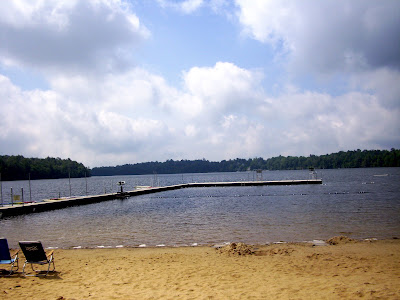
After we get back, Mr TBTAM takes a long nap while I bike the loop around the lake, pleased that my rides in Central Park this spring have toughened my legs such that I can do the hills without stopping. It’s still too cold to swim as far as I’m concerned, but the girls go in for a dip while I’m gone. I stop at the lake at the end of my ride – thankfully, nothing there seems to have changed. Promising to come back tomorrow and attempt a swim, I head back to the house for a hot shower.

Now comes the best part of the day. Cooking. This is really why I come here. The lake and the bike riding and the mountains and the fresh air – its all just a gorgeous backdrop of an excuse just so I can get away and cook.

It’s still a challenge cooking in this kitchen. We really should replace the oven, but are waiting till we are ready to redo the kitchen. The altitude (2100 feet) makes baking feel like a science experiment, and slows down everything on the stove top. But there’s decent enough counter space and a large pantry, and I can get NPR in on the radio with just a little static, so I am just fine, thank you.

Tonight’s dinner is a wonderful risotto I modified from a recipe by Marc Murphy, chef at Landmarc Restaurant in Tribeca. The recipe uses Gorgonzola cheese, and Mr TBTAM is hesitant. He hates blue cheese. Can’t I leave it out? But I’ve been planning this meal since Thursday, and am convinced he’ll love it. (I was right, of course…)

As I am stirring the risotto, obligatory glass of white wine in hand, my thoughts turn to fungi. It is mold, after all, that marbleizes through and gives the Gorgonzola its distinct flavor. And, ironically, it was also mold that kept me up till midnight last night, scrubbing the fridge with Clorox. In the right place, with just the right set of circumstances, fungi can do wonderful things. But in the wrong place with no control, they are nothing more than trouble.

Which, not surprisingly, gets me to thinking about the current administration, politics and the upcoming election…

But that’s not what this post is about. It’s about food, and summer, and country houses. The need to get away, and the work that can bring. Tomorrow, I need to scrub the pantry floor and try to get up the rust the old metal cabinet has left there. Dust the cobwebs from the mantle and hang the pictures we’ve brought up. Hose down the porch. Hang the hammock. Lay the rug we brought up with us. Think about planting some herbs for summer cooking.

Which gets me thinking that opening up a country house is a lot like making risotto. It’s takes patience and a bit of work. But in the end, it’s a delicious meal.


Butternut Squash Risotto with Sage and Gorgonzola

The original recipe was actually a pumpkin risotto with no instructions on how to roast the pumpkin, called for a bit less onion, sage and cheese than I used, and use toasted walnuts for garnish. I tried it with the walnuts, and decided it was gilding the lily. Maybe if you wanted nuts your could add some toasted pine nuts. But I think this is fine as is.

Don’t be afraid of the Gorgonzola in this recipe. It adds wonderfully complex flavor without dominating the dish. Mr TBTAM hates blue cheese, and he loved this risotto. We served it with a salad of fresh greens tossed with a homemade lemon vinaigrette.

1 large butternut squash
2 tbsp olive oil
1 tsp Kosher salt
1/2 tsp Fresh ground pepper
2 tbsp chopped fresh sage leaves

1 tbsp butter
1 tbsp olive oil
1 large Vidalia onion
2 large cloves garlic
2 tbsp chopped fresh sage
1 tsp salt
Fresh ground pepper
2 cups Arborio rice
1 cup dry white wine
chicken stock (3-5 cups, depending on how you like your risotto)

3 tbsp crumbled Gorgonzola cheese
3 tbsp grated Parmesan
2 tbsp butter

Preheat oven to 400 degrees Fahrenheit. Peel the squash, cut lengthwise and remove seeds and pulp. Cut into 1 inch dice. Toss with 2 tbsp olive oil, 2 tbsp chopped fresh sage leaves, salt and pepper in a medium size bowl. Spread out evenly on a cookie sheet and roast for about 20 -30 mins, tossing once or twice while cooking, but being sure to leave them long enough to develop a nice brown color on at least one side. (See the little squash pieces in the photo up there for an idea of what it should look like when it is done)

Meanwhile, heat the chicken broth on a back burner and keep warm.

In a large pot, melt butter with olive oil over medium high heat. Add onion, garlic, sage, salt and pepper and cook till onion is translucent. Add rice and cook, stirring, for about 3-5 minutes. Add wine and cook until it is absorbed, stirring constantly. Add a large ladleful of chicken stock and cook till almost absorbed. Keep adding chicken stock, 1 ladleful at a time, cooking each time till absorbed before adding more stock, until rice is cooked but not too mushy.

Remove from heat. Stir in roasted squash, 2 tbsp butter and cheeses. If you want, garnish with a little more chopped fresh sage and some fresh ground pepper.

Shrimp Risotto

I’m going on record right now and telling you that this risotto is not only the best risotto I’ve ever made, it’s the best risotto I’ve ever eaten. I don’t know if it was the Tabachnik Chicken Broth I used or the fact that I finally figured out how not to overcook shrimp. I do know that I’ll be making it again. Soon. Maybe next week, when The Italians visit. That’ll be ballsy of me – serving Risottos to the Romans.

Shrimp Risotto

This is based on a recipe I found at Epicurious, with a few tweaks based on both necessity and invention. Irene made it after I did, and I’m incorporating her modifications as well. The trick is not to overcook the shrimp, and then, just before serving, to cut them up into small pieces and add to the risotto so that every bite has a wonderful bit of moist, plump shrimp in.

I added shrimp shells and clam juice to the stock for added flavor. As for the fresh herbs, parsley is standard, the others are optional. Don’t be afraid to make it if you don’t have fresh thyme or basil – the dish is still fabulous without them. If the weather is warm, I add the lemon juice to lighten up the risotto. But if it’s cold outside, leave it out and go for the warmth.

4 cups canned low-salt chicken broth
8 oz clam juice
3/4 cup dry white wine
2 tbsp olive oil
2 tbsp butter
1 tbsp minced garlic
1/4 teaspoon dried crushed red pepper
1 pound uncooked large shrimp, deveined but still in shells
1 small onion or 2 shallots, finely chopped
1 sweet red pepper, finely chopped
1 tbsp chopped fresh thyme leaves (optional)
1 tbsp chopped fresh basil (optional)
1 1/2 cups arborio rice or medium-grain white rice
1 tbsp lemon juice (optional)
2 tablespoons chopped fresh parsley
Salt and pepper to taste

Peel shrimp, reserving shells.

In a medium saucepan, combine shrimp shells, chicken broth, clam juice and 1/4 cup of the wine. Bring to a boil and reduce to a low simmer for about 10 minutes.

Meanwhile, heat 1 tbsp olive oil and 1 tbsp butter in a skillet. Add 2 tsp minced garlic, 1/2 tsp salt and crushed red pepper, then shrimp. Saute until shrimp barely begin to turn pink (only a minute or so- this is the critical part so pay attention..). Add 1/2 cup wine. Simmer until shrimp are just barely cooked, another minute or so. (Don’t overcook!) Drain shrimp and reserve the liquid. Use a few tbsp of the chicken broth to get all the goodness out of the skillet and add to the reserved shrimp liquid.

Remove shrimp shells from the broth using a slotted spoon. Turn the broth down and keep warm.

Melt 1 tablespoons butter and 1 tbsp olive oil in heavy large saucepan over medium heat. Add onion, chopped red pepper, thyme, basil, 1/2 tsp salt and remaining 1 teaspoon garlic; saute until onion is translucent and pale golden and peppers are softened, about 6-8 minutes. Add rice and stir till it is toasted and opaque, about 3-4 minutes. Add reserved shrimp liquid and a 4-6 oz ladleful of stock and cook till evaporated. Continue stirring and continue adding the stock a ladleful at a time, waiting until the liquid is absorbed each time before adding more, until the rice is tender and creamy yet still a little al dente. (You probably won’t have any leftover stock, but if you do, freeze it and use another time.) Turn heat way down and hold for just a few minutes while you cut the shrimp up ito bite-sized pieces (about 4 per shrimp).

Stir lemon juice, shrimp and parsley into risotto. Season risotto to taste with salt and pepper and serve immediately with chopped parsley for garnish.

A Latke by Any Other Name…

Tonight is the first night of Hanukkah, and of course that means latkes.

Hanukkah is one Jewish holiday where I feel right at home food-wise, since I grew up eating latkes. Of course we didn’t call them latkes – we called them potato pancakes, and they are a standard in the Slovak kitchen. My Grandma used to come up and make them for us in our kitchen sometimes on Saturday nights. We were so anxious to eat them, I don’t think we even waited to all sit down at the table together – we just lined up next to the electric fry pan with our plates and practically grabbed them from the spatula as Grandma was laying them onto paper towels to drain!

My Grandma grated her potatoes by hand using the small holes of the grater and never drained the liquid. This meant she needed a fair amount of flour to sop things up, and ended up with a rather thick, dense, floppy and wonderfully delicious pancake.

The potato pancakes I make now are a bit different than the ones I grew up with. They are based on my mother-in-law Irene’s recipe, and they are pretty perfect if you ask me. Actually, Irene didn’t really give me a recipe, just approximate amounts and a gestalt. But I decided to try and nail down the amounts tonight as I made them.

The trick is to use the large grating blade of the food processor to shred the potatoes and onion, and thento drain away the liquid. Eggs hold the potatoes together and coarse motsa meal fills in the spaces without the heaviness of flour. Cook the latkes in an electric fry pan – it’s really so much easier and safer than doing it over the stove and you get a more consistent pancake as long as you don’t overload the pan. If you do it right, what you end up with is sort of a latke nest, with lots of crevices of crispiness on the outside and a few wonderful soft pockets of old time potato pancake in the middle.

Sour cream and homemade applesauce are the only other things you need. My kids, of course, also like ketchup.

Latkes (or Potato Pancakes)

For this batch, I used Yukon Gold potatoes and Streits Motsa meal that I borrowed from my friend Rachel down the hall. (Without Rachel I would never cook – she never runs out of anything…) I had never used that brand, and I like it – it is a coarser grind than Manichevitz, and so instead of just sopping up the egg and clumping together, the meal sort of stayed aloof on the outside of the shredded potatoes. This made for a less dense pancake. I also used canola oil because it is healthier, and noticed no difference from the traditional vegetable oil. You can vary the amount of onion depending on your tastes. Mr TBTAM likes his on the oniony side.

3 pounds potatoes (I used Yukon gold tonight)
2 eggs, lightly beaten
1 1/2 large onions
A little less than 1/4 cup Motsah Meal
salt
Pepper
Canola oil for frying

Peel potatoes. Shred using the food processor and remove to a large bowl. Shred the onion the same way and add to the bowl. Open out a large clean dishtowel onto the counter and dump the potato onion mixture on it. Top with a second clean towel and lightly roll to mop up the excess liquid (Don’t overdo it, you need a little of the potato starch and liquid for things to stick together.) Dump back into the bowl and add the eggs and the motsah meal. Season with salt and pepper.

Heat about a 1/2 inch of canola oil in electric frying pan at highest heat (mine goes to 400 degrees Fahrenheit). Scoop some of potato mixture into a large spoon, then put into the oil, flattening with the back of the spoon. Cook until the edges start to crisp and the underside is light brown, then gently flip and cook the other side.

Remove from pan to a cookie sheet lined with paper towels or newspaper. Keep warm in a low oven while cooking the rest of the potato pancakes.

Serve with sour cream and warm homemade applesauce.
_______________________________________________________

This of course, is not the only way to make latkes.

4Bureka Boy has a great round up of recipes and methods on his blog, as does Slashfood, whose latkes look suspiciously like mine.

4Epicurious does a nice job on technique, and uses a mixture of butter and oil to fry in their Classic Potato Pancake recipe.

4For healthier versions, see Got No Milk (no fat) and Diabetes Daily (lo-carb in the comments section).

4And, for a genuine latke making lesson from a genuine Jewish Mother, watch Feed Me BubbieLatkes.

Happy Hanukkah!

Make a Date with a Date (& make some cous cous)

I’ve just discovered how much I love this marvelous fruit. It’s sweet, moist, and full of fiber. Although dried dates do contain sugars, they are very satisfying and one dried date contains about 24 calories – not bad if you’re using it as part of a larger recipe. Dates are a good source of vitamin A, B1 and B2, are high in potassium, calcium and iron and are also a decent source of magnesium.

What can you do with dates besides eat them whole? Well, I like to add a couple of cut up dates to my morning oatmeal. No need for brown sugar when you do that.

And here’s a great recipe for Sweet Moroccan Couscous that I served last week at my Choral Group’s Annual Party. Its not a genuine couscous in a couscouserie recipe, but everyone seemed to enjoy it, and I promised Sally I’d post it. Enjoy!

SweetCouscous
Recipe modified from the Lowfat Jewish Vegetarian Cookbook

1 1/2 cups liquid (I used 3/4 cup orange juice and 3/4 cup water.
1 cup couscous
1/4 cup pitted dates, finely chopped
1/4 cup raisins
1/4 cup dried apricots, chopped
1/4 cup slivered almonds
1 tsp cinammon
a few tbsp water

Toast almonds in small pan on stove over medium heat, stirring often until light brown. Let cool.
Bring liquid to boil in a medium size saucepan. Remove from heat, add couscous, cover and let sit for 15 minutes.

Meanwhile, in a separate pan, cook dates, raisins, almonds and cinnamon in as little water as necessary to heat and soften them a bit. Add to cooked couscous. Sprinkle almonds on top. Serve warm.

Week Night Warriors – Pasta w/ Shrimp & Artichokes

Last evening Mr TBTAM and I were debating whether to order in for the millionth time this month or try to put together a decent meal for ourselves and the kids on a busy week night when we were both dog-tired.

I am so proud of us that we didn’t give in to the stack of menus sitting in the drawer under the phone. Instead, armed with a glass of white wine each, we raided the larder to see what we could come up with that did not entail a trip to the store and could be on the table before 8 pm.

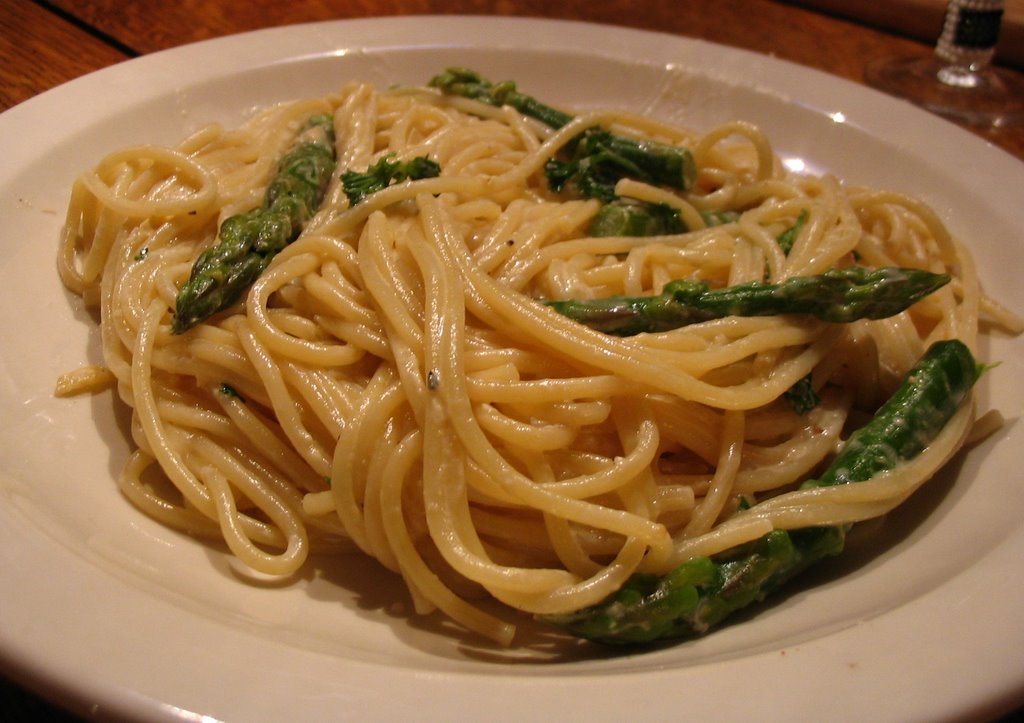
That’s it down there, and it was delicious. With a little side salad, it did the trick. Veni, Vedi, Comedi!

Pasta with Shrimp, Peas, Artichoke Hearts and Sun-dried Tomatoes
-1/2 bag frozen, uncooked shrimp from Fairway
-1/4 bag frozen artichoke hearts from Trader Joes (left by Irene on her last visit)
– A few sundried tomatoes that have been sitting in a little bag on the counter for the past three months, and that I was wondering if I would ever use.
-1/4 cup of frozen peas from an opened bag that’s been in the freezer forever (and that will remain there even longer because there is still 1/2 bag left)
-Half a lemon from the bottom of the drawer in the fridge that miraculously was still good
– 3-4 cloves garlic, sliced
-Olive oil
-Kosher Salt
-Fresh ground pepper
-1/4 cup white wine from my glass
-1 pound penne pasta

Put water on to boil for pasta, with a touch of salt. Put peas in a bowl with just enough water to cover; drain when thawed. Soften sun-dried tomatoes in some warm water for a few minutes. Drain and slice into slivers. Put artichoke hearts into a small saucepan, cover with water and a squeeze of lemon, and heat till boiling, then cook for 3-4 minutes till done. Drain and set aside. Thaw shrimp by running them under cold water, then peel, drain and pat dry. Season with salt and pepper.

Start pasta cooking.

Heat olive oil in saute pan will hot. Toss in shrimp and cook till pink. Remove shrimp to a bowl. Add a bit more oil to the pan, then saute garlic till aromatic (do not brown). Deglaze pan with a 1/4 cup white wine and remaining juice of the lemon. Add in the peas, artichoke hearts and sundried tomatoes and heat while wine cooks down a bit. Add shrimp back in, heat briefly

Drain pasta and put in bowl. Toss with shrimp mixture. Serve.

Making Do – Pasta w/ Cannellini & Garlic

Last weekend, I took my daughter and her friend with me to the country to close up our cottage for the winter. It was to be a quick overnight trip, and so I brought few provisions – just some half and half for our coffee- figuring I would use the opportunity to clean out the food cabinets and freezer before shutting the place up till May.

For dinner Saturday night, I actually created my own litle recipe out of what I found in the cabinets and freezer. Served after a first course of thawed mushroom barley soup and with reheated bread, this pasta was actually quite delicious.

It really is true what they say..necessity is the mother of invention.

Penne with Cannellini, Herbs and Garlic

The key to this dish is lots of sliced garlic, cut thin and cooked in olive oil with lots of herbs.

1 lb Penne pasta
1/4 cup olive oil
6 or more garlic cloves, peeled and thinly sliced
1 can cannellini white beans, barely drained and not rinsed
1/4 cup pesto
1 tbsp dried herbs de provence
1 tsp dried oregano
fresh cracked pepper
salt to taste
Parmegiano Reggiano cheese, grated (optional)

Start your salted water boiling for the pasta. In the meantime, heat olive oil in a dutch oven or large saute pan over medium high heat till hot. Add garlic and saute, tossing till it is yellowed and almost browned, but still soft. (The goal is to cook the garlic and flavor the oil, so you may need to turn the heat down so it doesn’t brown too much)

Add in the basil, pepper and spices about half way through to flavor the oil even more.

Add in the beans and cook till heated through, being careful not to stir too much or break up the beans. Just a tiny bit of kosher salt to taste.

Cook the pasta. Drain lightly and carefully toss into the beans. Serve immediately topped with grated parmigiano-reggiano cheese.

Category: Food

Spaghetti with Asparagus and Lemon Cream

Here’s another very simple recipe from Donna Hay’s book Off the Shelf that we made for dinner last night. This version of the classic recipe takes advantage of the gorgeous asparagus we’ve been seeing in the markets lately. I’d never had lemon cream sauce before, and I really liked it. Made with veggie stock, it makes a great veggie main dish. We served it with a simple salad of greens, balsamic vinegar and oil, with shaved parmesan. The kids had bread, but I did not, I am proud to report. (I am also proud to report that I went to the gyn today, and as I am typing this, my daughter is eating ice cream and I am not. Those of you who know me well know that this is a good thing.)

That’s Donna’s photo of this dish over there on the right. It is of course no suprise that her photo is much prettier than mine. I love how she curls the pasta in that little tower. And I don’t know about you, but I’ve never seen such white spaghetti before, and certainly not when it’s coated with a lemon cream sauce that has this much parmesan in it. Just shows you want the right lighting and food styling (and photo retouching) can do for a dish.

But you know what? I’m not jealous. Because mine tasted just great.

Spagetti with Asparagus and Lemon Cream
1 1/2 cups cream (we used half and half, I bet it would taste just as good with milk)
1 1/2 cups chicken stock (You can use veggie stock if you want)
1 tsp grated lemon zest
1/4 cup lemon juice
3/4 cup finely grated Parmesan cheese
14 oz spaghetti
500 gm (1 lb) asparagus, trimmed
1/4 cup parsely, chopped
pepper and salt to taste

Plcae the cream, stock and lemon zest in a frying panover medium heat and allo to simmer rapidly. Gradually whisk in the lemon juice, then stir in the parmesan cheese and cook for another 10 minutes or until the sauce has thickened.

Place the spaghetti in a large pot of lightly salted boiling water and cook till al dente. Drain.

Cut the asparagus into thirds and steam over boiling water until tender. (We just cooked it in a flat pan with just enough water to cover, like we always do.)

To serve, toss the spagetti with the asparagus, lemon cream, parsley and salt. Serves 4.

Category: Food

Shrimp Louie Salad, Mac & Cheese

Every couple of months or so, my mother-in-law Irene, the Greatest Home Cook in the World, visits us. She and her husband Marvin never arrive without the Blue Cooler. And in that cooler they carry, along with Irene’s special cereal, Marvin’s buttermilk and a few tasty leftovers from their fridge, the ingredients for the dinners Irene has planned for us during her stay. These are often supplemented with items bought by us from the short shopping lists that Irene phones up ahead of time.

I long ago gave up feeling insulted that Irene feels the need to bring food along or plan the meals for her visit with us. I love her cooking too much, and just enjoy both their company and their food. Every once in a while I do put my foot down and insist that she let us feed her, but mostly I just join in and chow down. And what better treat than to walk in the door from work at the end of a long day, and find Iene in the kitchen, Marvin and my husband Paul setting the table, the kids happy and the smell of garlic in the air? If there is a heaven for working mothers, this is it.

This particular night, my in-laws were headed to see “The Odd Couple” with my kids, so dinner was “a quick meal”. Shrimp salad like no shrimp salad I’ve ever had before, and a test run of the latest macaroni and cheese recipe from the NY Times, served with garlic bread. (Susan, no comments please, you’re just jealous you weren’t here to eat it.)

Irene’s Shrimp Louis Salad

This recipe is based on the classic Crab Louis Salad, the origins of which are not entirely agreed upon, but which seems to have been created sometime at the turn of the 20th century in a restaurant on the West Coast. Some say it is named after King Louis XIV who was known for his enormous appetite. It is always pronounced Loo-ey. (Let’s sing it together, shall we? Louie, Louie…)

Irene uses Trader Joe’s frozen shrimp, which are really delicious. She keeps them in her freezer at all times. (One of these days, I will do a post about her two, count ’em 2, kitchen freezers and what’s in them… ) The amounts and proportions of ingredients will really depend on how many people you are serving and what you like, but do keep her proportions of the shrimp and celery, and obviously the dressing and artichoke recipes are made as written.

Ingredients
Shredded romaine lettuce
1 ½ pound cooked shrimp, cut into bite sized pieces
3 stalks crisp celery, cut up
Some sliced scallions
Louis Dressing (recipe follows)
Marinated artichoke hearts (recipe below)
Cherry tomatoes
A few hard boiled eggs, cut into quarters
Black olives
Cucumber, peeled and sliced
Red onion, slivered (salted or not, your preference)
Slices avocado
Lemon or lime wedges

Toss the shrimp and celery together with just enough Louis dressing to hold it together, really just a little. (You’ll serve more dressing on the side late, so keep it light at this point.)

Plate the lettuce on a large serving platter. Heap the shrimp salad in the middle. Arrange everything else prettily. Scatter scallions atop everything. Serve with lemon wedges and Louis dressing on the side.

Irene’s Louis Dressing
1/3 cup French vinaigrette Dressing (Made using the ingredients below)
– 1 ½ tbsp Dijon
– 1 tbsp Worcestershire
– 1 tbsp honey
– ¼ cup olive oil
– salt and pepper to taste
1 cup mayonnaise
¼ cup chili sauce
1 tsp Worcestershire sauce
¼ cup sweet India relish
1 tbsp minced scallions

Mix well.

Irene’s Marinated Artichoke Hearts
Trader Joes again, this time a bag of their frozen artichoke hearts. (Manhattanites, take heart – a Trader Joes is coming to Union Square, finally!)

Put artichokes in just enough water to cover, with some chopped garlic and a little olive oil. Simmer till most of the water is evaporated and artichokes are tender. Add 1 to 1 1/2 tbsp champagne vinegar, and salt and pepper to taste. Cool before using.

Creamy Macaroni and Cheese (adapted from the NY Times)

Julia Moskin wrote a really nice article in the NY Times recently about her search for the ideal mac and cheese recipe. This was one of the ones she made. Some minor changes were made for this meal. Irene left out the butter and the extra cheese for the top, and baked it in a 9 by 12 glass baking dish instead of a smaller pan as called for in the original recipe. This change in pans results in lots of the crispy top and bottom of macaroni and cheese that is my favorite part of the dish. It was still quite rich, and I’m going to make it myself sometime soon using a little less cheese.

1 cup cottage cheese (not lowfat)
2 cups milk (not skim)
1 teaspoon dry mustard
Pinch cayenne
Pinch freshly grated nutmeg
½ teaspoon salt
¼ teaspoon freshly ground black pepper
1 pound sharp or extra-sharp cheddar cheese, grated
½ pound elbow pasta, uncooked.

1. Heat oven to 375 degrees and position an oven rack in upper third of oven. Use 1 tablespoon butter to butter a 9×12 inch glass pan.
2. In a blender, purée cottage cheese, milk, mustard, cayenne, nutmeg and salt and pepper together. Reserve ¼ cup grated cheese for topping. In a large bowl, combine remaining grated cheese, milk mixture and uncooked pasta. Pour into prepared pan, cover tightly with foil and bake 30 minutes.
3. Uncover pan, stir gently, sprinkle with reserved cheese and dot with remaining tablespoon butter. Bake, uncovered, 30 minutes more, until browned. Let cool at least 15 minutes before serving.
Yield: 6 to 8 servings

Category: Food

Pasta con le Sarde ala Chita Rivera

pasta and chita 2

In a recent post, in which I basically trashed the recent research on Calium supplements, I noted that the current recommendation is for women to get the majority of their calcium intake from food sources. I decided to take my own advice and made Pasta with Sardines, a classic Sicilian dish. Sardines are a great source of calcium – 4 oz has 300 mg of elemental calcium, a full 1/3-1/4 of the daily recommended requirement for most women.

I planned to make this dish on Saturday, hoping for an early dinner and a nice evening at home with my family. Late that afternoon, all plans for a leisurely dinner were quashed. Around 4 pm, we found out that Chita Rivera’s show “The Dancer’s Life” was going to close in 2 days, which made our tickets for Tuesday night obsolete. My husband had rushed to the box office to see if he could get tickets for the closing night show on Sunday. He returned instead at 5:15 with 4 tickets for that very night! Fine, we figured we’d eat a rushed dinner at 6:30 or so, and still have time to get to the theater at 8. We set to work together in the kitchen, my husband cutting up the veggies while I deboned the sardines.

About halfway through our preparations, the phone rang. My younger daughter’s friend was calling to see why my daughter wasn’t at her house for the special sleepover they had planned (and that we had thought was the following weekend). Now we had an extra ticket! Calls were frantically made to find a friend of my older daughter to accompany us to see Chita. My husband took my younger daughter to the sleepover while I finished the sauce and put it in the fridge to hold. By then it was past 7.

My older daughter’s friend’s father graciously drove us all to the theater. In usual New York fashion, we got stuck in traffic at 54th and 6th. So we jumped out of the car and ran through the freezing night the remaining 6 blocks to the theater, cursing ourselves for not taking the subway, stopping only to warm ourselves on a subway grate (now we knew why the homeless slept there.) We just made the curtain.

We returned after the show to cook the pasta and eat our dinner, in relaxed European style, at 10:30 pm. Luckily, the sauce kept beautifully.

Was it worth all the running around? You bet. Chita was amazing! Singing and dancing for 2 hours at the age of 72! And do you know that her left leg was broken in 12 places in an automobile accident in 1986? Now that’s a woman who must get enough calcium!

Pasta con le Sarde

Most recipes for Pasta con Sarde (and there are probably as many recipes as there are cooks in Sicily) call for anywhere from 1 to 3 8-10 oz. cans of sardines in oil. The recipe on which I based this dish comes from Mario Batali, who calls for 3 pounds of whole fresh sardines! I like sardines, but not that much, so I used about 9 ounces. If I make this again, I will also add a can of anchovies in oil.

2 lbs fennel bulbs, greens removed and reserved, bulb cut into sticks.
9 oz whole fresh sardines
flour, for coating
1-1/2cups extra-virgin olive oil
2 medium onions, minced
3 cloves garlic, minced
1 (28 oz) can whole tomatoes with juice, pulsed a few times on the food processor to chop
3 tbsp pine nuts, lightly toasted
3 tbsp raisins, soaked in a little white wine
salt and pepper to taste
7 saffron strands
1 lb dried bucatini (also called perciatelli, basically thick spaghetti with a hollow center)

In a hot skillet, add olive oil and saute fennel until caramelized. (Next time I’ll add the onions at this step and carmelize them too. )

Remove the heads of the sardines and pull out the backbones and entrails. (You don’t need to do this if you decide to use canned sardines instead.) Select a few sardines for garnish. Chop the rest of the sardines for the sauce, set aside.

Season the flour with salt and pepper, and dredge the selected unchopped sardines in it. Heat 1/2 cup olive oil in a small saucepan until it starts to smoke. Cook the flour-coated sardines in the oil until a light golden brown, about 1 minute on each side. Using a slotted spoon, remove the sardines from the pan and set them aside to drain on a paper towel.

In the skillet with the caramelized fennel, add the onions and cook about a minute. Add the garlic and cook a bit. Add raisins, tomatoes, pine nuts and saffron. Season, to taste, with salt and pepper. Bring the sauce briefly to a boil and then lower to a simmer. Add the reserved sardines and cook, stirring occasionally with a wooden spoon, until the sardines have broken into pieces and are thoroughly mixed into the sauce, about 10 to15 minutes. If the sauce appears too thick at this point, add a little of the pasta cooking water.

Bring 6 quarts of water and 2 tablespoons of salt to a rolling boil. Add the bucatini and cook until tender but still al dente. Drain the cooked pasta into a large serving bowl, add 3/4 of the sauce and stir to combine. Top with the remaining sauce and the fried sardines.

This pasta tastes best if allowed to sit for several minutes, soaking up the flavors of the sauce, before it is served. Keep the pasta covered during this waiting period, then garnish with reserved fennel fronds.

Category: Food, Second Opinions

Shrimp Pad Thai

Shrimp Pad Thai Pic

Now, I am the first to tell you that I am no expert on Asian cuisine, and I have no great wisdom to impart on the making of Pad Thai. I can tell you, though, that Pad Thai is the sole Asian dish that I have incorporated into my regular repertoire (you know, the things you cook all the time for your family and friends), and I probably make Pad Thai as much, or more often, than I make spaghetti and meat sauce. Pad Thai is also an easy dish for a dinner party. All of the ingredients can be prepared ahead, and when everyone is ready, it can be cooked and put on the table in minutes.

Once you’ve made Pad Thai a few times, the ingredients that once seemed so unusual (like tamarind paste) are just another ingredient in your cupboard, so all you have to do is pick up fresh shrimp, tofu if you are using it, and the veggies. Tamarind (which I buy in a block, seeds and all), dried shrimp and dried turnip come in quantitities enough for about several batches of Pad Thai. I store these in a jar labelled “Asian miscellaneous”, each ingredient bagged in a zip lock to keep the odors separated. I always have fish sauce and rice wine vinegar. (Can anyone tell me if I am correct that fish sauce doesn’t need refrigeration?) I don’t have a regular source yet for the rice noodles. The Asian market in our neighborhood only carries the real thin ones (which are what I used tonight). However, I just now seached Fresh Direct, and they carry “A Taste of Thai” noodles in the several widths, so I think I will get some with my next order and keep them in stock. (I wish I were one of those cooks with time enough to head to China Town on a regular basis, but my life is just too busy. Maybe in my next life…)

I pretty much stick to this recipe barely modified from Cook’s Illustrated. Sometimes I add tofu. I don’t always use cilantro. Enjoy!

PAD THAI

2 tablespoons tamarind pulp
¾ cup boiling water
3 tablespoons fish sauce
1 tablespoon rice vinegar
3 tablespoons sugar
1/2 teaspoon cayenne pepper
4 tablespoons peanut or vegetable oil
8 ounces dried rice stick noodles
2 large eggs
¼ teaspoon salt
12 ounces medium (31/35 count) shrimp, peeled and deveined
3 cloves garlic, minced or pressed through garlic press (about 1 tablespoon)
1 medium shallot, minced (about 3 tablespoons)
2 tablespoons dried shrimp, chopped fine
2 tablespoons chopped Thai salted preserved radish
6 tablespoons chopped roasted unsalted peanuts
3 cups (6 ounces) bean sprouts
5 medium scallions, sliced thin on a sharp diagonal
¼ cup loosely packed cilantro leaves
Lime wedges

1. Rehydrate the tamarind paste in boiling water. Press through a sieve, discard seeds and rind. Stir the fish sauce, rice vinegar, sugar, cayenne, and 2 tablespoons oil into the tamarind liquid and set aside.

2. Cover the rice sticks with hot tap water in a large bowl; soak until softened, pliable, and limp but not fully tender, about 20 minutes. Drain the noodles and set aside. Beat the eggs and 1/8 teaspoon of the salt in a small bowl; set aside.

3. Heat 1 tablespoon oil in a 12-inch skillet (preferably nonstick) over high heat until just beginning to smoke. Add the shrimp and sprinkle with the remaining 1/8 teaspoon salt; cook, tossing occasionally, until the shrimp are opaque and browned about the edges, about 3 minutes. Transfer the shrimp to a plate and set aside.

4. Off heat, add the remaining tablespoon oil to the skillet and swirl to coat; add the garlic and shallot, set the skillet over medium heat, and cook, stirring constantly, until light golden brown, about 1½ minutes; add the eggs to the skillet and stir vigorously with a wooden spoon until scrambled and barely moist, about 20 seconds. Add the noodles and the dried shrimp and salted radish (if using) to the eggs; toss with 2 wooden spoons to combine. Pour the fish sauce mixture over the noodles, increase the heat to high, and cook, tossing constantly, until the noodles are evenly coated. Scatter ¼ cup peanuts, bean sprouts, all but ¼ cup scallions, and cooked shrimp over the noodles; continue to cook, tossing constantly, until the noodles are tender, about 2½ minutes (if not yet tender add 2 tablespoons water to the skillet and continue to cook until tender).

5. Transfer the noodles to a serving platter, sprinkle with the remaining scallions, 2 tablespoons peanuts, and cilantro; serve immediately, passing lime wedges separately.

Category:

Butternut Squash Lasagna

We spend out holiday eves with our friends Andy & Linda and kids (check out Andy’s podcast site http://andy.libsyn.com/) , and this year was no exception. We had decorated the tree that morning, and I used the leftover greens from the tree to line the stair railings, along with white lights. We put candles on every shelf and table, and the place looked festive. Next year, I vow I will do this a full week prior to Christmas, and every night I will light the candles and the lights, and make this feeling last longer.

Here’s the menu:

Appetizers: Roasted red pepper dip (recipe follows) with bagel chips, baby carrots and celery sticks / Cheese / Warm apple cider with cinammon / pinot grigio

Dinner: Mushroom soup (ala’ Anthony Bourdain) , butternut squash lasagna (recipe follows), tossed greens with sherry vinaigrette, warm bread, white wine.

Dessert: None. We were all too full.

ROASTED RED PEPPER DIP
2 red bell peppers roasted, peeled and seeded
1 whole head roasted garlic, pulp squeezed and skin removed.
8 oz. of cream cheese
1 tbsp fresh parsley
1 tablespoons virgin olive oil
Salt and pepper

Pulse garlic and red peppers in food processor till smooth. Add remaining ingredients and pulse till mixed.

BUTTERNUT SQUASH LASAGNA
Warning: this is a lot of work, but well worth the effort. I combined two great recipes, one from Gourmet and one from Napa Style, and threw in a layer of carmelized onions. Luckily the sage in the garden survived the first snow. What I ended up with was delicious, but a bit heavy on the butter and Bechamel, and not enough onions. So the recipe that follows is not exactly what I made, but what I plan to make next time I do this dish (which I will do again)….The picture is what I actually made. Get it?

For the squash filling:
2 large butternut squashes
2 tablespoons extra-virgin olive oil
1 1/2 tablespoons finely chopped fresh sage
3 tbsp fennel seeds
2 tsp ground cinammon
1 tbsp salt
2 tsp pepper

For the sauce:
1 quart (4 cups) whole milk
3 tablespoons (3/4 stick) unsalted butter
1 tablespoon minced fresh sage
1 teaspoon minced garlic
3 tablespoons all-purpose flour
1 tsp salt
½ tsp fresh gound nutmeg

For the carmelized onions:
3 vidalia onions, peeled and thinly sliced
3 tbsp butter
Salt and pepper

Plus: 1 cup hazelnuts (4 oz), toasted, loose skins rubbed off with a kitchen towel, and finely ground (or chopped, whichever you prefer.)

For assembling lasagne
1/2 lb fresh low fat mozzarella, coarsely grated (2 cups)
1 cup finely grated Parmigiano-Reggiano (3 oz)
12 (7- by 3 1/2-inch) sheets no-boil lasagne (1/2 lb)

Make filling:
Preheat the oven to 400˚F. Grind the fennel seeds in spice grinder. Mix with cinammon, salt and pepper. Peel squash, trim ends and cut in half lengthwise. Remove the seeds and coarsely chop the squash into 1/2-inch chunks. In a bowl, toss the squash with the olive oil, sage, and the spice mixture. Spread the squash in a single layer on the baking sheet. Roast the squash, stirring once or twice, until very soft and beginning to brown, about 50-60 minutes.

Carmelize onions:
Melt butter in large skillet or saute pan. Add onions, and cook, covered on low heat for 30 minutes. Take off lid, raise heat a bit and contiue to cook, stirring as needed, till light brown and delicious. Add a little salt and pepper
.
Make sauce:
In a large saucepan, warm the milk. In a large pot, melt the butter over medium-low heat. Add the sage and garlic and cook, stirring occasionally, for about 1 minute. Do not let garlic brown. Add the flour and stir for 2 to 3 minutes to combine well with the butter. Do not allow the mixture to color. Add the milk, whisking vigorously to prevent lumps, ultil thickened. Add salt and the nutmeg. Remove from the heat.

Assemble lasagne:
Preheat oven to 425°F.

Coat the bottom of a buttered 13 by 9 by 2-inch baking dish with the sauce. Cover with 3 pasta sheets, leaving spaces between sheets. Layer as follows (try to get 4 layers total): Lasagna, squash, onions, hazlenuts, mozarella, sauce, parmesan. Tightly cover baking dish with buttered foil and bake lasagne in middle of oven 30 minutes. Remove foil and bake until golden and bubbling, 10 to 15 minutes more. Let lasagne stand 15 to 20 minutes before serving.