City Garden Update

My anonymous commenter was right. Those bulbs forcing themselves in mid Februry were hyacinths. Our building management has also pulled up the horific winter cabbages (which should be banned as a horticultural abomination) and put in pansies.

Meanwhile, up on my rooftop, the lilac has begun to bloom, and soon will fill my bedroom with its aroma, lulling me to sleep at night, and wakening me in the morning. (Well, maybe. If the wind is just right…)

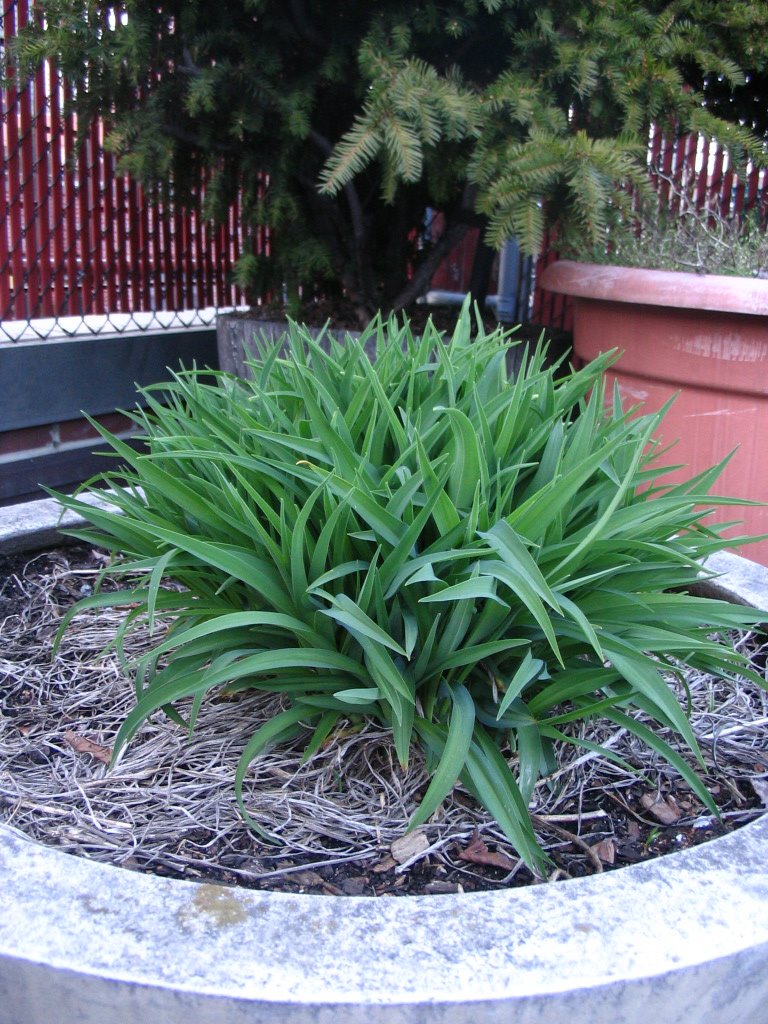
The day lilies are early this year,
and the flowering plum fulfills the promise its name makes.

On the terrace herb garden, things are also coming alive. The tarragon is vigorous, the thyme, rosemary, basil and sage survived, and the lemon balm has returned. Come the first of May, to the Union Square Green Market I’ll go, to get new basil and tomato plants. This year I’m gonna’ increase my basil crop size to four plants, two were not enough last year.

Time to get in and pull out all the dead twigs and leaves to give room for the new growth, and start feeding, mulching and spraying. There’s much to do, and I can’t wait to get started…

Category: Gardening

Sor Juana Ines de la Cruz: My Contribution to the Really Dead Woman Writers Meme

Bardiac has challenged us to come up with names of female writers who lived and wrote before 1800. Apparently Bardiac gets a lot of disbelief that a feminist like herself could teach and study the literature of the Shakespearean and early English era, as if no female writers existed before 1800. She’s created this meme as a way of generating both a list and interest in pre-1800 female writers.

Of course, I wanted to participate in Bardiac’s meme because I like to think of myself as a feminist. But being no literary expert, I could not come up with five names off the top of my head, especially since the only one I could think of, Sappho, was already listed. So I did a little internet searching, and in doing so, learned the fascinating story of Juana Ines de la Cruz (1651 – 1695).

De la Cruz was a nun who wrote and ran a literary salon from her convent library in Mexico City in the mid 1600’s. De la Cruz’s literary output was prolific. She wrote poetry, plays, prose, historical vignetes and mythological tales, poems and plays.

Sor Juana, as she is called, was a feminist. According to Wickipedia: By her own account, life in the convent indeed gave her freedoms that she would never have had if she had married, as was expected of respectable women.

In1690 De la Cruz was silenced by the archbishop when criticism she wrote of a famous Jesuit sermon was published without her knowledge. After that time, she wrote no more, and died not long after during an epidemic of the plague.

Here is one of her poems, from an English translation by Michael Smith, from his website.

You Foolish Men
by Juan Inez de la Cruz (translation by Michael Smith)

You foolish men who lay
the guilt on women,
not seeing you’re the cause
of the very thing you blame;

if you invite their disdain
with measureless desire
why wish they well behave
if you incite to ill.

You fight their stubbornness,
then, weightily,
you say it was their lightness
when it was your guile.

In all your crazy shows
you act just like a child
who plays the bogeyman
of which he’s then afraid.

With foolish arrogance
you hope to find a Thais
in her you court, but a Lucretia
when you’ve possessed her.

What kind of mind is odder
than his who mists
a mirror and then complains
that it’s not clear.

Their favour and disdain
you hold in equal state,
if they mistreat, you complain,
you mock if they treat you well.

No woman wins esteem of you:
the most modest is ungrateful
if she refuses to admit you;
yet if she does, she’s loose.

You always are so foolish
your censure is unfair;
one you blame for cruelty
the other for being easy.

What must be her temper
who offends when she’s
ungrateful and wearies
when compliant?

But with the anger and the grief
that your pleasure tells
good luck to her who doesn’t love you
and you go on and complain.

Your lover’s moans give wings
to women’s liberty:
and having made them bad,
you want to find them good.

Who has embraced
the greater blame in passion?
She who, solicited, falls,
or he who, fallen, pleads?

Who is more to blame,
though either should do wrong?
She who sins for pay
or he who pays to sin?

Why be outraged at the guilt
that is of your own doing?
Have them as you make them
or make them what you will.

Leave off your wooing
and then, with greater cause,
you can blame the passion
of her who comes to court?

Patent is your arrogance
that fights with many weapons
since in promise and insistence
you join world, flesh and devil.

All my male blog readers, don’t get your drawers all in a huff. This poem does not necessarily reflect the views of this blog author about men (although I can think of a man or two to whom it does apply. You know who you are…) Having been raised Catholic, and taught by nuns for much of my early life, I just find it fascinating that this came from the pen of a 17th century nun. She’s almost a feminine counterpart to Shakespeare, the way she writes about the conflicts between the sexes.

Here’s another poem by Sor Juana, apparently written in response to a man who questioned the legitimacy of her birth:

Tonic for a Pompous Ass
by Sor Juana Inés de la Cruz

Not to have an honest father
would be shameful, I’d agree,
if I had made my father rather
than my father making me.

Your mother, so compassionate,
saw to it that you’d succeed
a host of father candidates
so you could claim the one you need.

Sor Juan was not only smart, she was funny!

Here’s a website with lots of information about Sor Juana. Encyclopedia Brittanica also has a nice entry on her life.

Thanks, Bardiac, for posting your meme. I learned something.

Sor Juana Inés de la Cruz, painting by Miguel Cabrera, c. 18th century; in the National Archivo Iconografico, S.A./Corbis. Category: Considerations.

Prune and Almond Tart with Armangnac

Well, I promised a prune recipe, and here it is.

I found lots of recipes using Armagnac with prunes. Armagnac-soaked prunes are a classic of southwest France, where, not-so-coincidentally, both Armagnac and the highly touted Agen prunes are produced.I had no Armagnac, so I used good French Brandy that we had in the closet.

This recipe is modified from Rick Stein at the BBC food website. Because it it from the UK, quantities are in weights, not volume (sorry).

The original recipe called for a shortcrust pastry that was made without sugar. I used a slightly different pie crust recipe fom the Joy of Baking website that uses both sugar and an egg. I didn’t roll it out, just pressed it into the pan and it worked out just fine. The crust started to brown so I covered the edges with foil for the last 10 minutes, but I should have put the foil on about 5 minutes earlier, as should you. I really need to get one of those crust protectors.

This tart is not too sweet, we like it that way. But if you want something a little sweeter, you could add some sugar to the armagnac, cook it over the stove a bit to melt the sugar, and then add the prunes.

Next time I make this, I will prick the prunes with a toothpick so they can absorb more of the brandy. Although if I did that I supect that I might need to add a little more of the liquer (hic!).

If you want more prune recipes, David Lebovitz had a one time blogging event last October that he called Prune Blogging Thursday, and got some great recipe submissions. Of these, I found a recipe for Armagnac and tea soaked prunes at TooManyChefs the most intruiging…

Prune and Almond Tart with Armangnac

10½oz pitted prunes
4 tbsp Armagnac (or other good French brandy)
1 recipe sweet shortcrust pastry, and butter for greasing
35g/1oz ground almonds
1 large egg, lightly beaten
55g/2oz sugar
1 7¼fl oz/200ml tub crème fraîche
Confectioner’s sugar, for dusting
Extra crème fraîche (or vanilla ice cream) to serve alongside

Put the prunes into a small bowl, pour over the Armagnac and leave for one hour, turning them over every now and then to help them soak up the alcohol.

Preheat the oven to 400F

Butter the tart pan. Make the pastry and press into the pan. Line the pastry with a foil or parchment paper add a layer of dried beans or pie weights and bake for 15 minutes. Remove the paper and beans and return to the oven for 4-5 minutes. Remove, brush the inside of the pie crust with a little of the beaten egg and return to the oven once more for two minutes. Set aside and lower the oven temperature to 375F.

Drain the prunes over a bowl to reserve the Armagnac. Add the ground almonds, egg, sugar and crème fraîche to the Armagnac, and beat together until smooth.

Scatter the prunes over the base of the pastry case, pour over the almond mixture and bake for 45 minutes until golden brown and a skewer pushed into the centre of the tart comes away clean. (Cover tart pie crust edges with foil for the last 15 minutes of baking to prevent over-browning.)

Carefully remove the tart from the tin and leave to cool slightly on a wire rack. Dust with a little Confectioner’s sugar and serve warm or at room temperature, cut into wedges, with some more crème fraîche or some vanilla ice cream. We, unfortunately, had no ice cream, since I was unable to talk Mr. TBTM into going to the store for it. That’s all right, we’ll get some for tomorrow’s leftovers…

Sweet Pastry Crust
1 1/2 cups (210 grams) all purpose flour
1/8 teaspoon salt
1/2 cup (113 grams) unsalted butter
1/4 cup (50 grams) granulated white sugar
1 large egg, lightly beaten

In a separate bowl, sift or whisk together the flour and salt. Set aside. Place the butter in your mixer and beat until softened. Add sugar and beat until light and fluffy. Gradually add the beaten egg, beating just until incorporated. Don’t over mix or the butter will separate and lighten in color. Add flour mixture all at once and mix just until it forms a ball. Don’t overwork or pastry will be hard when baked.

Category: Food

Dyspareunia: A Funny Word for Something Not so Funny

“Dyspareunia” is the medical term for painful intercourse.

I always liked the word, although it does sound a little whacky. Today I saw a patient who has dyspareunia, and decided to once and for all figure out the origin of the word. Turns out it derives from the Greek word “dyspareunos”, which means “badly mated”. To go even further into the Greek origins, “par” or “para” means beside or side by side, and “eun” means bed, so “pareunia” means to be side by side in bed, and is the ancient Greek term for sexual intercourse. Adding the prefix “dys-” means that what’s going on in bed is not so good.

Of course, outside of medicine, we no longer use the Greek terms, because it leads to too much confusion. “Hey, honey, do you wanna’ pareun?” makes it sound like you are offering up a serving of dried fruit. (Well, depending upon how old you are, maybe you are…) But if you like prunes as much as I do, either a pareun or a prune will do nicely, thank you very much.

Since I brought it up, let’s talk about what causes dyspareunia and how we treat it. In decreasing order of frequency of occurance in my practice, the causes of dyspareunia are:

Menopausal dryness
That’s easy to treat. Lubricants, vaginal estrogens, and keep having sex. The old adage “Use it or lose it” really does apply here. Sexual activity (even masturbation) increases blood flow to the vaginal tissues, helping lubrication. So, let’s go ladies, you’ve got some work to do…

Yeast infections.
Most women don’t know that vaginal dryness can be a symptom of a yeast infection. Well, it can be, and in my experience, is frequently the only symptom. When it is the only symptom, I often find yeast called Candida Glabrata, a strain resistant to standard over-the-counter remedies. But whatever strain of yeast you have, I can easily treat it, and that should solve the problem of dyspareunia.

Desquamative vaginitis
An inflammatory condition of the vagina that we treat with steroids and antibiotics. If you have dyspareunia, make sure your doctor looks at your vaginal secretions under the microscope right there in the office, otherwise this condition will be missed. Desquamative vaginitis can be chronic in nature. It is similar to, but not as bad as lichen planus (described below.)

Post partum dryness
Due to low estrogen levels while breastfeeding. Treat it with vaginal estrogens. Use a good lubricant. And have sex, if you can manage to stay awake for more than 2 seconds after hitting the sack.

Vestibulitis/Vulvadynia
These are non-infectious conditions that cause vulvar pain, sometimes with inflammation of the entrance to the vagina. Technically, vestibulitis and vulvadynia are separate entities, but since there is a lot of overlap, we often treat them the same. Vestibulitis may be associated with genetic variations in the proteins that mediate inflammation. Both vestibulitis and vulvadynia can be difficult to treat. We use low dose antidepressants, topical anesthetics, anti-inflammatory meds, interferon injections and, as a last resort, resection of the involved tissues. Changes in diet can be helpful in some patients. There are lots of other things you can do yourself to help the symptoms, see the resource list below.

Lichen planus
An uncommon chronic inflammatory condition of the mucous membranes of the vagina and mouth. We treat Lichen Planus with steroids and antibiotics, although it can be very difficult to treat. A new drug called tacrolimus shows promise in patients who don’t respond to typical treatment. If your partner has Lichen Planus of the vagina, be very, very nice to her because it is no fun to have lichen planus.

Something structural
A cyst, an abscess, a stricture, a hymeneal remnant, a vaginal septum, endometriosis, a fibroid – anything that’s getting bumped or pulled can hurt. Fix it, remove it, treat it, whatever, the pain goes away. Endometriosis treatment can be a little more complicated than some of the others, but it’s rare that we can’t control the symptoms enough to keep sex pleasurable.

Vaginismus
Another fancy word, this one means an involuntary contraction of the vaginal muscles and vaginal opening. You can’t get in if the door is closed, so don’t try to force it, because it only hurts more. Make sure there’s nothing else wrong (see above). Then use biofeedback, relaxation, masturbation techniques, couple’s therapy, topical anesthetics, and sometimes dilators. Botox is being used for this condition with some success.

Whether or not you have dyspareunia, you should eat some prunes. They are very good for you. Now that I’m thinking about it, maybe I will post a prune recipe, would you like that?

Dyspareunia: Resource List
National Vulvadynia Association
AAFP Article on Vulvadynia
Vulvar Pain Foundation
University of Michigan Center for Vulvar Diseases
Diagnosis and Treatment of Atrophic Vaginitis
Yeast Infection Resource Center
Pamphlet on Dyspareunia

Photo: “Plums in a Tree”, used with permission from stockphoto.com. Category: Second Opionions, Food

The National Honor Roll Scam

UPDATE: Since this article was posted,new information about the NHR has come to light. To read this information, click here.
These happy students are smiling because they have been inducted into the National Honor Roll. The National Honor Roll is NOT the same as the National Honor Society, a legitimate organization that recognizes academic excellence.

The National Honor Roll is a marketing scam.

THE SCAM

Today, we received a letter from the National Honor Roll, offering my oldest daughter the opportunity to be inducted into the Roll. My daughter’s school’s name was featured prominently on the letter, lending it an air of legitimacy, and at first making us think the letter had come from her school.

Of course, in order to be inducted into the National Honor Roll, my daughter must complete a detailed survey about her interests. If we want, we can buy the book that will list her name and bio. We can give the Honor Roll addresses of her grandparents who may want to buy the book. We can add a picture to your profile, but that will cost extra.

“Please”, I hear you thinking. “Don’t tell me you fell for that!”

Of course, I didn’t fall for it. As Jean Hagan said in Singing in the Rain: “Wadda’ think I am? Dumb or somethin’?”

But that’s not the real scam, you see. It’s just the tip of the iceburg. Because the National Honor Roll is a front for a nationwide mailing list of young high school students. A mailing list that the Honor Roll and its partner organizations then sell for profit to whoever will buy.

Each year, thousands of unsuspecting high school students are offered induction into the National Honor Roll. What is the qualification for this prestigious award for academic excellence? Not too stringent – a B average or above.

Here’s a link to the privacy policy of the National Honor Roll, and here’s what it says: From time to time, National Honor Roll may combine the information we receive online with outside records to enhance our ability to offer you products or services that may be of interest to you.

THE SCAM BEGINS IN YOUR CHILD’S CLASSROOM

How does the National Honor Roll find out your child’s name, address and personal information? Your child’s school provides it. That’s right. The school provides it, along with data mined from your child as part of in-class surveys handed out and collected by your child’s teacher. In my daughter’s case, she now remembers being asked to complete a survey in her Math class earlier this year. She was told it was for college.

I can’t entirely blame my daughter’s teacher (Well, I do blame him a bit). Most likely he thought that the survey results were being used to offer his students scholarships and college information. The surveys are sent to teachers from a “non-profit” organization called the Educational Reseach Center of America. ERCA is associated with something called the Student Marketing Group.

SMG is a direct marketing company that targets the youth market. ERCA does the dirty work for SMG, sneaking into our schools to mine our children’s personal data, all in the name of harmless surveys. To keep up their front, ERCA does publish the results of these surveys on their web site, and claims to send them to colleges, who probably file them in the wastebasket.

Here’s a link to ERCA’s privacy policy, and here’s some of what it says: Personally identifiable information also will be made available to certain other entities nationwide that wish to contact high school students or to help others do so. .. these include businesses that market interesting products and services to students and student achievement recognition organizations.

THE LEGAL RESPONSE

Elliot Spitzer filed for judgement against ERCA and SMG in 2003 for fraudulent and deceptive business practices. The Federal Trade Commission issued a judgement and a consumer alert against ERCA in 2003.Depite these rulings, it looks to me as if the ERCA and National Honor Roll are still up to their dirty tricks in 2006.

IT’S ALREADY TOO LATE FOR US

Even though I didn’t get caught in the National Honor Roll scam, it doesn’t matter. My daughter’s personal information is already on ERCA’s database, collected by her math teacher, and now being sent out who knows where. I have no idea if my daughter signed something on that survey that permitted her information to be used, and neither does she.

What upsets me is that we parents trust our children’s teachers and schools to protect them. And they are failing in that duty. I know it is not just my daughter’s school that has failed in this regard. These companies are thriving because they have found inroads into our schools nationwide, using the educational system as a marketing goldmine.

WHAT YOU CAN DO

Feel free to link or email this post, or to pass this information on to anyone you know who has a child in school. And not just if they are in high school. The ERCA has collected personal information from children as young as 10 years old.

Tell your PTA and your school principal. Tell your child’s teachers. Work with your child’s school to develop policies that protect your child’s and your family’s privacy. Help develop curricula that teach kids (and their teachers) how to know when their privacy is being threatened or their personal information mined for profit. And simply, tell your kids not to fill out any surveys at school without them being sent home first.

Stop your child’s school from unwittingly mining your children’s personal information for profit-making entities.

UPDATE: Click here for new information about the National Honor Roll.

______________________________

I just realized that this the second time this week that someone has tried to involve me in a scheme that invades personal privacy. (See April 3 post) Okay, who wants to be third?

Category: Considerations

Big Pharma and Your Protected Health Care Information: Together at Last

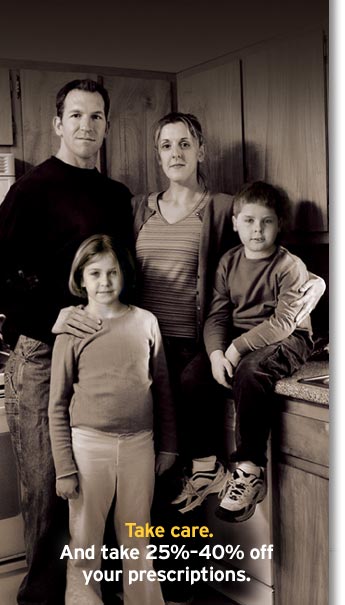
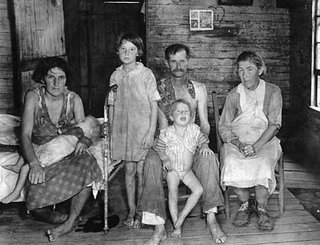
This nice family has no prescription drug coverage. You can tell this not only because they have rather grim smiles, but also because they can’t afford to update their 1970’s panelled kitchen. The photo is tinted in sepia, and it reminds us of the old black and white photos taken of poor Appalachian families during the depression. See?

But now this nice family has help. It’s called the Together Rx Access Card. According to the its website, “The Together Rx Access™ Card has been created to help qualified individuals and families without prescription drug coverage to save on brand-name prescription drugs and other prescription products, as well as save on a wide range of generic drugs.”

How do I know about the Together Rx Program? Well, today a drug rep came to my office asking me to give enrollment cards to my patients who had no prescription drug coverage, so that they could afford her medication. It sounded like a good idea, but being a skeptic, I decided to google the Together Rx Program.

HSS Secretary Tommy Thompson, the man who brought us the HIPAA Health Care Privacy Act, likes the Together RX Program. He even sent out a press release to announce his support for the Together Rx Program. Here’s what Tommy said: “This program will complement President Bush’s ongoing work to expand access to care for those who are uninsured or underinsured.

Web MD has an article about the Together Rx Program. Here’s what it says: “There is no cost to use the Together Rx Access™ card, which is accepted at many pharmacies nationwide and in Puerto Rico. Once you’ve enrolled, simply bring the card to your pharmacist along with your prescription, and receive your savings right at the pharmacy counter.”

Let’s enroll, shall we? The enrollment form is easy to use, just a single side of a paper with a place for your signature at the bottom. Hmm…That was easy. Okay, let’s print it out.

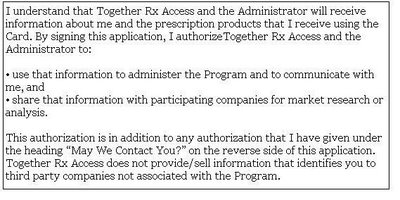
Oh, wait. There’s something on the back. I almost missed it, I was so excited to see such a short and easy form. On the back of the form, after the place for your signature on the bottom of the first side, is something called “Program Information” Here’s what it says:

So what companies are associated with the Program? According to the website, Together Rx is a joint effort of the following companies:


There is no information sharing opt out option on the application. I’ll say it again, in case you missed it, and because I think it’s important. There is no information sharing opt-out option on the application. So if Pfizer is the one discounting your meds, they can share information about you with Novartis, who can share that info with Ortho. Then they can all use that information to market drugs specifically to you based on the information they’ve shared with each other. Don’t want to share your information? Too bad, you’ll have to pay full price for your medications.

So, what is Together Rx? It’s a Drug Savings Program and a marketing solution, all rolled up into one. How else could pharmaceuticals sell medications to consumers who otherwise would not buy their products because they can’t afford them? Like any good retailer who has outpriced their market, they’ve lowered their prices. And in return, they are getting free market research, consumer-specific health profiling, AND your personal health information.

As Tommy says in his press release: Together Rx “is a great example of private sector leaders coming together with an innovative solution to a complex problem.”

Photo Credit: Walker Evans. “Bud Fields and His Family, Hale County, Alabama,” 1936–37. From the Encyclopedia Brittanica. Category: Second Opinions

Skylight

You know what’s special about this photo?

I took it at 7 PM!

I love daylight savings time.

Categories: Considerations

Still Searching for Perfect Scone

INASCONES

Hi, I am Natalie, the daughter of the author of this blog. My mother has talked about me, I am the one who is always helping her find the best recipe for scones. Today I went out at 11:00 to our local supermarket to buy all the ingrediants for our new “kitchen adventure”. My mother was getting familar with the recipe. My father is usually the one to go out and buy all of our things but at that moment he wasn’t available to.

We got the recipe from the cookbook The Barefoot Contessa by Ina Garten. We don’t mean to upset the master but the final outcome of the goods were not as good as we would have hoped. They were the lightest ones we made so far. But they were a bit dry. This may have not been Ina’s fault as we put in a bit too much salt by accident, but our question is, how could salt make something dry? But don’t go swearing Ms. Garten because we also cut the recipe in half and that doesn’t always work when you’re baking compared to cooking. I doubt that Ina would ever read this but if you googled yourself or something, hi. We are trying to find a way to write to you asking for a recommendation of what we could do in order to make this recipe work for less scones or less dry scones.

This has been blogging with Natalie on The Blog That Ate Manhatten. I may be back. Here are some pictures of the final turnout. Talk to ya later!

Next: The Perfect Scone? Sorry Delia, not quite…

Category: Food

More Thoughts on Chinese Medicine

I was just re-reading my last post (I know, I know – I’m gazing at myself again). And I realized that, in that post, I appear to be fairly open to Chinese medicine. But being open to it does not necessarily mean that I embrace it completely. I’m pretty much a doubting Thomas when it comes to alternative medicine. You gotta’ show me before I’ll believe. And by show me, I mean the usual peer reviewed controlled clinical trial.

Sure, I can tell you anecdotes about how I’ve seen Chinese medicine work. I once had a patient who failed to conceive with modern infertility treatment but became pregnant after only one treatment with acupuncture. Another whose baby was overdue and who actually broke her membranes and went into labor while at her first acupuncture treatment (I remember asking her just where the doc put the needle.) I saw the video made in China by one of my medical school professors, showing a man undergoing major abdominal surgery with acupuncture as the only anesthetic. And I even had a patient cure her migraines with Chinese herbs.

I do believe that acupuncture taps into some very real physical phenomena. The latest thinking is that accupuncture affects the release of neurotransmitters and neurohormones that mediate pain, blood pressure, and other bodily functions. It doesn’t work for everything, though, and needs verfication in clinical trials. But I’ll admit that I’ve toyed around with the thought of getting formal training in acupuncture and trialing it in my menopausal patients.

But you know what? I don’t think I could stand take sitting for hours in a classroom with a straight face listening to someone talk about the flow of Qi (pronounced Chi). I’m sorry, but the way Chinese medicine explains itself is still too steeped in non-scientific silliness for me to completely embrace its teachings. Don’t tell me my Qi is blocked – Talk to me in real biologic terms. It’s not meridians, and it’s not Yin and Yang. It’s neurotransmitters and antibodies and cytokines and calcium channels and renal tubule function and LH and FSH and estrogen receptors. And if you dont know how it works, that’s okay. I can handle that.

I always say that the human body is the car we’re being asked to repair without ever having a manufacturer’s manual. But Chinese medicine teaches like they have the manual, and the manual says that the engine runs on Chi. ‘Cmon, guys. It’s the 21st Century. Can you at least try to make it relevent to what we’ve learned about the human body since you came up with this stuff in the 5th century?

Now, Chinese medicine uses herbs a lot. And it’s no suprise that they have found, as has Western medicine, that certain plants have medicinal properties. This is good. But they still have to prove that they work. Of course I have no way of knowing if they’ve proven anything, because we really don’t have access to the Chinese medical literature. And if I did, who knows if it would be filled with well done clinical trials, or just lots of articles about Qi.

I do know that some of the plants and compounds we use in the West are actually quite similar to those in Eastern medicine. For example, some Chinese herbal remedies used to treat menopausal symptoms, when analyzed, are found to have estrogen in them. Black Cohosh, an herb used in China as well as in the West, probably helps hot flashes. But just try to find out what’s really in the mixtures the Chinese practitioners hand out.

It’s not that I distrust Chinese practitioners themselves. I believe that, for the most part, traditional Chinese practitioners are sincere and ethical in their practice. And I don’t think they’re in it for the money. They don’t overcharge their patients for saliva hormone levels and hair metal screens, or try to sell them thousands of dollars worth of vitamins and powders. And they don’t do infomercials.

But their way of practicing is based on traditional mixtures, mixtures that vary from province to province. You can never really know what you are getting, even if they tell you the name, because every area has it’s own recipe for that name. (Sort of like Gumbo in Louisiana.) And honestly, I’m not sure that the Chinese docs themselves know what’s in their mixtures. And that’s a little scary.

It makes no sense to me that here in America, where every food manufacturer is required to list ingredients on the package, Chinese practioners are allowed to hand out medicinal herbs without regulation. And Americans are more than willing to take them. Usually the very same Americans that are screaming at the FDA about Vioxx. (Not that I’m defending Merck. No, no. One of these days I’ll post on what I really think about Big Pharma.)

It’s the complete blind faith that some of my patients have in Chinese remedies, when it is accompanied by complete distrust of anything Western medicine has to offer, that irks me. Nothing drives me crazier than to sit and have a patient grill me for a half hour about the potential side effects of anything I prescribe, then tell me she’s taking Chinese herbs whose name she doesn’t even know.

Let me warn you. Chinese herbs have been found to be tainted with poisonous heavy metals. One Chinese herb, Aristolochia, has been found to cause kidney failure, kidney cancer and death. If you are going to use Chinese medicine, please, please ask your practitioner for a detailed list of what he’s giving you. If he can’t do it, don’t take it. And unless you can tell me exactly what you are taking, don’t ask me to support you in using it. If I don’t know what’s in the bottle, I can’t recommend it. Sorry.

The NIH now has an office of complementary medicine, and clinical trials using chinese herbs and acupuncture are being published everyday. I have no doubt that some treatments will prove to be as, or more, effective than Westen medicine for some conditions. I’m just going to wait for a little more objective data before I climb on board.

Look, you want to try acupuncture? Go ahead, knock yourself out. It won’t hurt, and it may even help. And one day, who knows? It might even be me who’s sticking the needles in you. Just don’t let it keep you from getting the health care you need.

As for cupping, another traditional Chinese Medicine practice, well, it’s just plain wierd. Even if Gwyneth is doing it…

Picture Credits: Li Shih-Chen, 1518-1593. From the National Library of Medicine, Classics of Traditional Chinese Medicine, an Online Version of an Exhibit held at the NLM , NIH , October 19,1999-May 30, 2000. Gwyneth courtesy BBC. Category: Second Opinions

Capturing Manhattan

I’m been driving my family crazy for the past month or so, as I try to get a great night shot of the Manhattan skyline for my blog banner. Of all the possible views of my fair city, I’ve decided to go for the view from Queens, because it’s the one that stirs my heart the most. You know the view if you’ve ever driven into Manhattan at night on the Long Island Expresswway. It hits you straight on, smack in the face, as you head over the last hill toward the Midtown Tunnel. Awesome.

Of course, I can’t set up a tripod on the LIE. So, I’ve been making my husband stop the car on the 21 Street on-ramp of the upper level of the Queensboro Bridge as we are schlepping the kids in from theater classes on Roosevelt Island. He pulls over and puts the flashers on, and I lean out the window and do my thing. We’ve done this about 4 times now, and this is the best shot I’ve gotten so far using this approach. Still not good enough for the banner, but with some cropping and zooming, it’s getting close. See?

So far no one has hit us, and no cop has stopped us, but I get the feeling my days are numbered if I keep trying this approach. Plus, I can’t get the photo sharp enough because of the constant vibrations of the on ramp and the car. I’m afraid to get out and set up a tripod for fear someone will “clip me”. (That’s my Grandmother’s term for getting hit by a car).

What I really need is a rooftop in Long Island City. Or maybe I’ll head down to the water in LIC and see what view I get there. If anyone has any suggestions as to where I can go to set up a tripod, let me know. Of course, at that point, finding the time to do it will become my biggest problem.

Until then, If you see me parked on the Queensboro on-ramp, try not to clip me.

Category: Considerations

Spaghetti with Asparagus and Lemon Cream

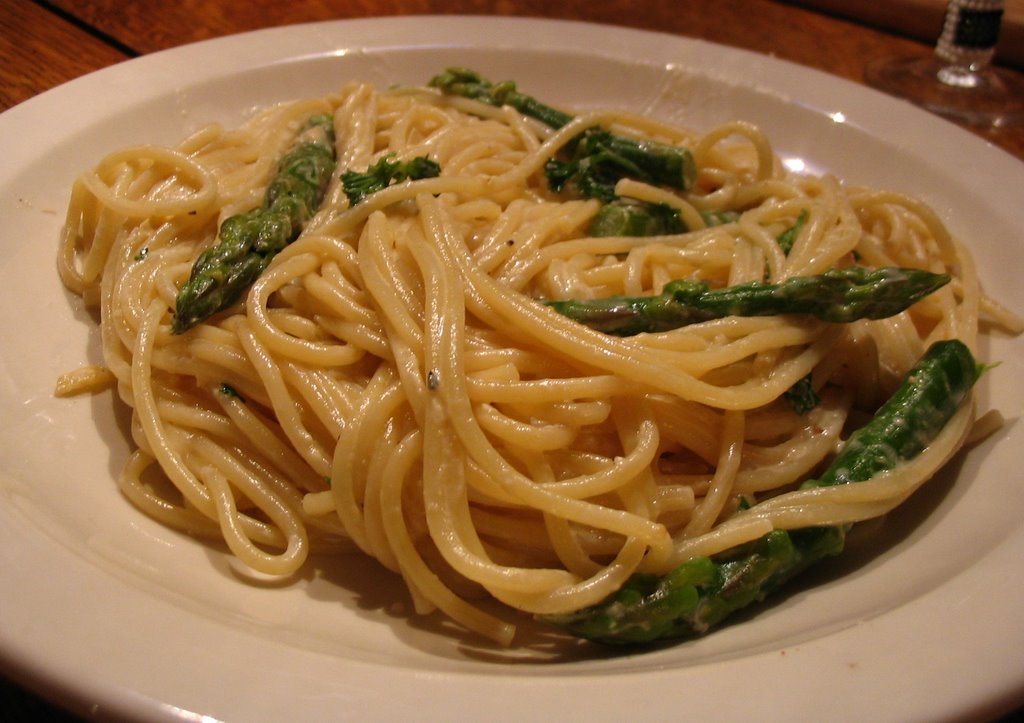
Here’s another very simple recipe from Donna Hay’s book Off the Shelf that we made for dinner last night. This version of the classic recipe takes advantage of the gorgeous asparagus we’ve been seeing in the markets lately. I’d never had lemon cream sauce before, and I really liked it. Made with veggie stock, it makes a great veggie main dish. We served it with a simple salad of greens, balsamic vinegar and oil, with shaved parmesan. The kids had bread, but I did not, I am proud to report. (I am also proud to report that I went to the gyn today, and as I am typing this, my daughter is eating ice cream and I am not. Those of you who know me well know that this is a good thing.)

That’s Donna’s photo of this dish over there on the right. It is of course no suprise that her photo is much prettier than mine. I love how she curls the pasta in that little tower. And I don’t know about you, but I’ve never seen such white spaghetti before, and certainly not when it’s coated with a lemon cream sauce that has this much parmesan in it. Just shows you want the right lighting and food styling (and photo retouching) can do for a dish.

But you know what? I’m not jealous. Because mine tasted just great.

Spagetti with Asparagus and Lemon Cream
1 1/2 cups cream (we used half and half, I bet it would taste just as good with milk)
1 1/2 cups chicken stock (You can use veggie stock if you want)
1 tsp grated lemon zest
1/4 cup lemon juice
3/4 cup finely grated Parmesan cheese
14 oz spaghetti
500 gm (1 lb) asparagus, trimmed
1/4 cup parsely, chopped
pepper and salt to taste

Plcae the cream, stock and lemon zest in a frying panover medium heat and allo to simmer rapidly. Gradually whisk in the lemon juice, then stir in the parmesan cheese and cook for another 10 minutes or until the sauce has thickened.

Place the spaghetti in a large pot of lightly salted boiling water and cook till al dente. Drain.

Cut the asparagus into thirds and steam over boiling water until tender. (We just cooked it in a flat pan with just enough water to cover, like we always do.)

To serve, toss the spagetti with the asparagus, lemon cream, parsley and salt. Serves 4.

Category: Food

Sweet Potato Curry Puffs, Chili Fish with Sweet Lemon Salad

It’s only taken me three years to finally make something from Donna Hay’s beautiful cookbook Off the Shelf, which I received some time ago as a holiday gift from Irene. It’s not that I don’t look at the book – I do. The photos are gorgeous, and the food looks really good. Donna Hay started her career as a food stylist, and it shows. I swear, she could make a dirty pot look appetizing.

But the book is almost too gorgeous to be called a cookbook. It reminds me more of a coffee-table book about cooking. Think of a paper verion of Giada De Laurentiis’ show on the Food Network. I hate that show. It’s over-edited, over-produced, perfect knife sounds overlaid whenever she slices an onion, fancy angle shots on the food, that perfect little smile every time she looks at the camera. Annoyingly perfect. And nothing like a real kitchen.

But I do like Off the Shelf. Why? Because, despite the styling, the recipe ideas in it are wonderful. Really. And they’re different, yet often very simple to make. Recipes like warm potato and tuna salad, spaghetti with asparagus and lemon cream, salmon on fennel salad, crisp rice omelet. There are a lot of light recipes in here, too.

The book is organized atypically, if not exactly intuitively, according to category of staples that you might have on your kitchen shelves. (Some might argue that miso paste is not really a staple for most of us, but we’ll let that go.) Chapter titles are Pasta, Rice, Grains and Lentils, Mediteanean, Asian, Pastes (harissa, miso and curry pastes, mustards), Bake (flour, baking powder, nuts chocolate)and Sweet (sugar, honey and the like). Within each chapter, there is a section called Basics, then Tricks and Tips, then a whole lot of recipes.

Hay’s point in organizing her book this way is to get you thinking about ingredients in your cupboard not just as something on a shopping list for one recipe, but as inspiration for meals. That’s a good idea for cooks who might buy Asian Red curry paste for a single recipe, then stick it in the fridge and forget about it for a year. If you find yourself asking “What else can I use this stuff for?” then Off the Shelf is the book for you.

Every single recipe in this book has an accompanying photo. To make room for the photos, the recipes are written in the briefest of form, anywhere from 4 – 9 on a page. This means that there are few instructions. For example, the recipe I made last night starts out “Cook 1 tablespoon peanut oil, 1 chopped onion and 1 tablespoon Thai green curry paste for 1 minute.” Cook it where? On the stove? In the oven? And in what kind of pan? And what size onion? Now, I knew to saute it, and because I read the recipe, that I’d need a pan big enough to hold the sweet potatoes that were coming up next. And I used a medium onion. So if you know a bit about cooking technique, the recipes have all you need, and you’ll appreciate the opportunity to do your own thing without being spoon fed. But if you’re a fledgling cook, this book may not be for you.

One other thing – Quantities are often weight, not volumes. But I don’t mind that, I have a great little kitchen scale with a bowl attached. And I feel so European cooking by weight…

In addition to her cook books, Donna has a web site and a magazine. Her motto is “Turn simple into special”. Here’s a quote form her bio:”…cooking has allowed her to create a brand that is accessible to anyone who has a kitchen.” When I read that, I realized what exactly it is that annoys me about her book – she is using branding techniques on simple foods, selling us capers and flour and sugar as something more than the plain ingredients they are. She doesn’t need to do that, anymore that Giada needs to overlay sizzling sound clips when she throws a pice of meat into a pan. It’s over-styling. She should have put the energy into writing the recipes, as far as I’m concerned.

…But I’m rambling. The whole point of this post was to tell you that I finally got over myself enough to actually make a few items from the Off the Shelf, specifically from the Pastes chapter. I made Chili Fish with Lemon Salad, and served it with Sweet Potato Puffs. The meal was absolutely delicious, and my family loved it. The three items were a great combo on the plate and on the palate.

So now, depite my complaints about it, I’m totally sold on this cookbook as a great source of ideas, and can’t wait to make something else from it.

Sweet Potato Curry Puffs

These are like samosas. They have a nice bite to them. Since the recipe itself was written as a single paragraph with ingredients in the sentences, and lacked basic intruction or an ingredient list, I’m re-writing it here the way I think Donna should have.

1 tbsp peanut oil
1 chopped onion
1 tbsp Thai green curry paste
600 gm (about 3 cups) peeled and finely diced sweet potatoes (I used yams)
3/4 cup coconut cream (I assumed that meant coconut milk)
1/2 cup thawed frozen peas
2 tbsp chopped cilantro
1 beasten egg
5 inch puff pastry rounds (Sorry, that’s all she says. Actually, what she says is “Place [mixture] in the middle of 5 inch puff pastry rounds.” Not how much filling, or how much pastry. I’d say you need pastry enough for about 24 rounds, but have no idea how much pastry I’d need to make to get that. I used store bought pastry, got 16 puffs, and had some filling leftover.)
8 oz Yogurt
2 tbsp chopped fresh mint (or more)

Preheat oven to 350 degrees F. Heat 1 tbsp peanut oil till hot, then saute 1 chopped onion and 1 tbsp Thai green curry paste for 1 minute. Add sweet potatoes and coconut cream and cook, covered, over medium heat for 10 minutes. Add peas and chopped coriander and allow the mixture to cool. (Actually, I added the coriander with the potatoes.) Meantime, roll out puff pastry and cut into 5 in rounds. Line a baking sheet with parchment paper. Place round onto sheet, and place about 2 tbsp filling into it. Fold over pastry and press edges to seal. Brush with egg wash. Bake for about 20 mins till puffed and golden. Serve with plain yogurt blended with some chopped fresh mint.

Chili Fish with Sweet Lemon Salad

The real star of this dish is the lemon salad, so I’m giving it it’s own photo. It is absolutely an amazing little side dish that I know I’ll be making again and again. You can really use any Asian spice rub on the fish. It’s the combo with the cucumber and the lemon salad that makes it special.

Sweet Lemon Salad
4 lemons
1/2 cup sugar
1 red chili, seeded and chopped (That may be too hot. We used red chili pepper flakes, about 1/8 tsp)
1/4 cup chopped mint
cracked black pepper and salt to taste

Peel the lemons, removing and discarding the white pith. Chop the flesh into a dice. (Hard to do this without losing all the juice, so we just used a grapefruit knife to get out the sections and served them whole. In Hay’s book, it looks like thye used a tiny melon baller to get the lemon pieces.) Combine with sugar, chili, mint, pepper and salt.

Chili Fish on Cucumber
4 – 7 oz pieces firm white-fleshed fish (We used Telapia)
2 tbsp Asian red chili paste
2 tbsp cilantro (chopped)
Salt and pepper to taste
1 tbsp peanut oil
2 sweet cucumbers, sliced to serve

Spread the chili paste on the fish and sprinkle with coriander. Heat oil in a non-stick frying pan over medium heat. (We used a regular saute pan, and needed a little more oil) Add fish and cook for 2-3 minutes on each side or until tender.

To serve, place the cucumber slices on plate, top with the fish. Spoon some lemon salad on the side and serve.

Category: Food

Phone Tag

(This is an old post, recovered from my blog crash. I just now found it, but you may have already read it . If so, sorry.)

On any given day, the black chart rack on my desk behind the phone is stacked full of charts waiting for call backs from patients.

Here’s how it goes – They call me, but I’m in a room with a patient. I get the message. I call back. All I get is their voice mail. (This happens even if I call back a scant 15 minutes later.) I leave a message, put the chart in the rack.

Sometimes when I call back, my patient’s secretary, used to playing the wall, gives me the “She’s in a meeting ” line. Can she call me back? Or a family member answers and tells me the patient is in the shower (or sleeping or busy). Can I call back? Or the patient has a call on the other line. Can I hold?

No, I can’t. I’m busy, I’m important, I’m the doctor!

What ever happened to the waiting for the doctor to call back thing? I remember as a kid, my mom would call our family doc because one of us had a sore throat, or the chicken pox or God knows what else. She’d leave a message.

And at that point, the entire family would go into Doctor-Call-Back Alert. My mom didn’t leave the house. No one moved. No one breathed. If the phone rang, and and it wasn’t the doctor, my Mom would shout “Get off the phone! I’m waiting for the doctor to call back!” And he always did. But our lives went on hold till it happened.

Now they put me on hold.

Category: Second Opinions
———————————————————————————————-
COMMENTS

Schruggling :March 18, 2006
Just a quick St. Patrick’s day observation…why aren’t your file folders green? Red? This isn’t the Russian High Holy Day after all…

You may not be able to get through to your patients right away, but I am sure that when they get your message, they not only feel bad to have missed you, but probably hit themselves in the head with their palm, and yell “doh!” like Homer Simpson.

If it makes you feel any better about how busy the world has gotten, I am an average Joe in a sales job trying to do the best I can. I am not an executive. Yet, I find that I cannot take one day off without consequences. Here it is nearly 1 AM, and I just retrieved the 19, (let’s say that out loud, and together) again, 19 messages that I got today. And when I call these people back, I will, without fail, get at least 15 voice mail services…ugh. As an up note, I think I may steal your organizational system with the file folders behind the phone. My system is just a scrap paprer with notes all over the place. No where near as meaty and impressive.

shuna fish lydon:March 18, 2006
wow when can I make You my doctor? at kaiser we cannot even get through directly without secret permission. but a new doctor gave me his email address the other day. this I find amusing and intriguing!

TBTAM :March 18, 2006
shuna: Use that email, its a gift. Though I must say I am not a big fan of the whole email thing. For quick simple questions, it’s fine. But I like to hear the tone in a patient’s voice, and the phone allows for much more back and forth QA than email does. That said, I get and answer about 8 patient emails a week.

Schtruggling:
I feel you pain… Those red charts (whose patient identifies I easily smudged away using the smudge tool on my photo software, thank you very much) and my system are going bye-bye very soon, as we are going to an online medical record. Prepare for massive whining when that happens. For someone as organized as I am, to have to throw it all away for someone else’s system, even an online one, well, ask OBS what that would feel like…

Tara’s World: March 18, 2006
Im the same way as your mother was, If I leave the house the Dr will call when im out, SO I dont leave. But in a quirky twist of fate when I dont leave he wont call until 6pm or later

BigMamaDoc:March 18, 2006
I, too, play phone tag all day with patients (usually the same 20-40 patients every day). Every time I try to return a call, I document it in EMR (takes only a second). My absolute favorite thing is when the patient reports me to the Patient Services Cop, who calls me to the carpet to discuss my bad call return habits. I love to show up with my printout of my 15 attempts in 4 hours to get back to pt. Ha! I WIN!

Janae:March 21, 2006
I try to stay around the house when I’m expecting a call from my pediatrician, but sometimes it doesn’t work that way. If I know when I’m going to be gone at a certain time, I let him know when I leave my message. I also let him know when the best time is to call back just in case he’s available at that time. It’s works for us because I can only think of one time when I’ve missed his call. –

Ragging about Ragout

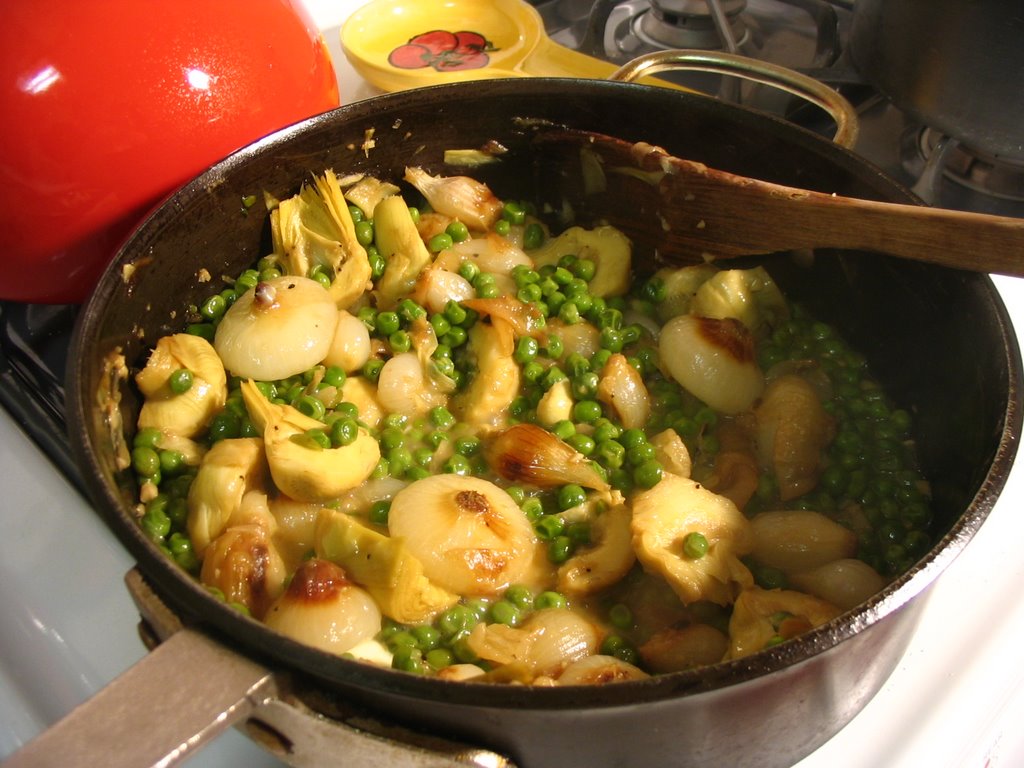
Found and made this recipe from Epicurious tonight. The vegetable combination (pearl onions, peas and artichokes) really appealed to me. It paired nicely with some smashed red bliss potatoes and chicken. However, I think it needs something in the way of spices. I did add a bay leaf to the sauce, and kosher salt and ground pepper, but something was missing.

I had looked around the web for similar recipes to get some ideas, but found nothing. I thought about spicing up the onions a bit more, maybe tossing the artichokes onto the baking pan with the onions to brown them a bit also. Maybe some balsamic vingear or lemon? But I couldn’t decide what to do, and truth be told, on a week night I wasn’t feeling adventurous enough to risk spoiling it and having to start all over. So I pretty much made it as written (though I did cut back a bit on the butter, and used both pearl and chopotle cipollini onions.) It really was good, but next time I’d like to take it up a notch, as our friend Emiril would say.

Suggestions, anyone?

Ragout of Pearl Onions, Peas and Artichokes

1 1/2 pounds pearl onions
1 tablespoon olive oil
5 tablespoons butter
1 teaspoon minced garlic
2 cups chicken stock or canned low-salt broth
1 10-ounce package frozen artichoke hearts, thawed, drained, halved lengthwise (I used canned)
2 cups fresh peas or frozen, thawed

Cook onions in large pot of boiling water 2 minutes. Drain and cool. Peel onions.

Preheat oven to 400°F. Transfer onions to rimmed baking sheet. Drizzle with oil. Sprinkle with salt and pepper. Toss to coat. Bake until tender and golden, shaking pan occasionally to turn onions and brown, about 35 minutes.

Melt 1 tablespoon butter in heavy large skillet over medium heat. Add garlic; sauté 1 minute. Add stock; boil until liquid is reduced to 1 cup, about 10 minutes.

Add onions, artichokes and peas; simmer until onions and peas are crisp-tender, about 4 minutes. Add 4 tablespoons butter; stir until melted. Season with salt and pepper.

Makes 6 servings.

Category: Food

Getting Through

She is a tiny, sweet-appearing student on summer break from a Small Community College – we’ll call it SCC*. Short, curly hair pulled back in a cloth hairband, soft ringlets springing out around her forehead. Pretty eyes. Wears a long cotton skirt and cowboy boots. A bit of a throwback, I think.

She asks if every 3 months is frequent enough for HIV testing. I look at her chart, and see that her last HIV test was just 3 months ago.

Why?” I ask. “Have you had a new partner since your last visit?”

“I’ve had a few,” she says.

“Well,” I prompt, “how many in the past month? ”

“A lot.”

Ah, I think. She’s in that post-high-school wild phase. We’re going to have to talk about this. “Give me a number.”

She looks upwards for a few seconds. “I don’t know,” she says finally.

Oh, c’mon, I think. Tell me. I recall my own post-college wild years. You can’t top me. So, let’s play numbers. “More than 10 or less than 10?”

“More than 10.”

In the past month? “More than….20?” I keep my voice steady, my tone neutral, non-judgemental.

“More than 20,” she replies.

The light bulb went on. “You’re a prostitute,” I say.

She nods. I look up to be sure the door is closed. “May I ask why?” I inquire.

“I’m saving for college tuition,” she states, also turning to check the door.

We settle in for the discussion.

She got accepted at a Brand Name University. You know the kind of school – may or may not be Ivy League, but very hot, suddenly impossible to get into. We’ll call it BNU. Dad cannot afford the high end tuition at BNU, but makes too much money for her to qualify for financial aid. He can only afford the local community college. Hence the freelance job.

She earns $1,000 a day, and has saved over $40,000 so far. When she gets enough, she’ll have finished her associates at SCC and will re-apply to BNU.

“Didn’t you talk to the financial aid office at BNU? Can’t you take out loans?” I suggest.

She doesn’t want to borrow money, and turns up her nose when I press the idea further. As for BNU’s financial aid office, they were mean, she says. Said “Just tell us if you’re coming, because if you’re not, we have a waiting list full of other applicants.”

I begin to get angry for her. “How can they be that way? Don’t they know how much their decisions affect people’s lives?”

I have an idea. “Let me call the Dean at BNU.” (Not that I even know who the Dean is, but when you get to be my age, you feel you have the right to talk to anyone, whoever they are. My tone conveys this conviction.) “If he knew this was what BNU’s high tuition has led to, I’m sure he’s get them to help you out.”

But she refuses to let me intervene. That’s okay, I still believe that I can work this angle for her, and I think perhaps I’ll just call that Dean anyway and feel him out. But in the meantime, I offer to refer her to a college counselor. No response.

I start running my rolodex through my head, trying to figure out who I can call to help this poor kid out. Then it occurs to me. She is not homeless, she is not starving, she is not a kid with no future. She is just a really bright kid whose only option right now is a local community college and not a Brand Name University. This is not such a terrible place to be. Certainly it can’t be bad enough to justify the risks of prostitution.

I tell her this. She seems to be listening, so I go on. I tell her that where she gets her degree does not define whether or not she will be a success in life. If she really is as good as student as it seems she is, she will learn what she needs to know just as well at SCC. She wants to go into business (no comments, please). “Do you really think they will teach you to put the debits on the credit side of the ledger at SCC?” I ask her. This elicits a smile.

I figure she still hasn’t tuned me out, so I tell her my story. How I didn’t even get an interview at the Hot Shot Medical School. How I ended up going to the Local University Medical School and Very Local Community Hospital Residency Program. And how my first job post-residency was on the faculty of that very same Hot Shot Medical School. Not bad for a low-end degree, huh? “Where you go to college does not determine your life,” I tell her. “You do.”

No go. Because as we talk further about the risks of her behavior, it becomes clear that the real problem is that she does not think what she is doing is at all stupid. After all, she uses condoms religiously. And what’s the risk, anyway, of getting HIV if you always use a condom? I’m not sure of that number when one has as many partners as she does, so instead I tell her a story about a patient who got HIV when the condom broke. I’m not sure she believes me.

“Besides”, she contends, “I’m not having anal sex, and I don’t swallow. And the condom has never broken.”

We talk more, juggling numbers, estimating risks, talking odds. Then it is clear she is finished the discussion.

So I wind it up, taking one final stab at my own argument. “Look”, I say. “Think of it this way. That degree from BNU is like a pair of Calvin Klein jeans. You can get just as cute a pair on sale at Old Navy. And you’ll still be alive to wear them.”

She smiles. “I love Calvin Klein.”

———————————————————————————————-

*This is a story I had posted and immediately pulled awhile back. (See this post about why.) I’m reposting it now because I asked for and obtained her permission to tell this story. Of couse, identifying details have been changed, personal information disguised, and HIPAA privacy rules maintained.

Category: Second Opinions